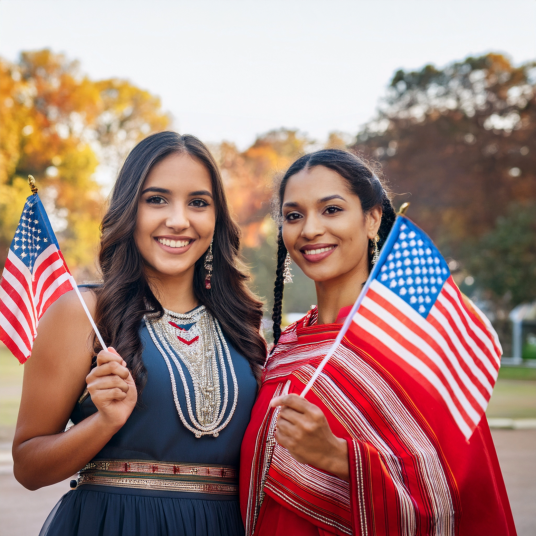
Imagery at ECI isn’t just documentation—it’s a visual narrative of trust, solidarity, and coordination in motion. Photography should reflect lived experiences, shared purpose, and the emotional strength of multicultural collaboration. Every image is an opportunity to help viewers feel seen, guided, and connected.
Image Guidelines
Photos used in ECI communications should:
Reflect the dignity and cultural richness of the communities we serve
Showcase real interactions, not staged or overly polished scenes
Represent a range of ethnicities, ages, and lived experiences
Highlight coordination, connection, and guidance in action
Photography Tone
The overall tone should be:
Warm and authentic, with natural light and everyday settings
Collaborative, showing shared spaces, teamwork, or guided support
Emotionally resonant, capturing real expressions and body language
Respectful and inclusive, avoiding stereotypes or tokenism
Composition & Lighting
Use soft, ambient lighting or natural daylight whenever possible
Avoid harsh shadows, overexposure, or strong directional light
Capture scenes with foreground and background depth to tell a story
Frame photos to highlight people’s faces, gestures, or tools in use
Subject Types
Community Guidance: Moments of one-on-one help, document preparation, or navigating civic spaces
Collaborative Spaces: Group discussions, language classes, volunteer sessions
Cultural Context: Flags, clothing, festivals, family settings—shown naturally, with pride and care
Professional Coordination: Staff working across cultures, reviewing documents, or providing resources
Environment: Real spaces—not sterile or corporate—where people feel safe, supported, and connected
Emotion & Impact
Images should evoke:
Trust – someone is guiding you who understands your story
Belonging – you’re part of something larger
Empowerment – you’re not alone in this journey
Clarity – complex systems made visible and navigable